
Chelation Therapy for Heart Disease
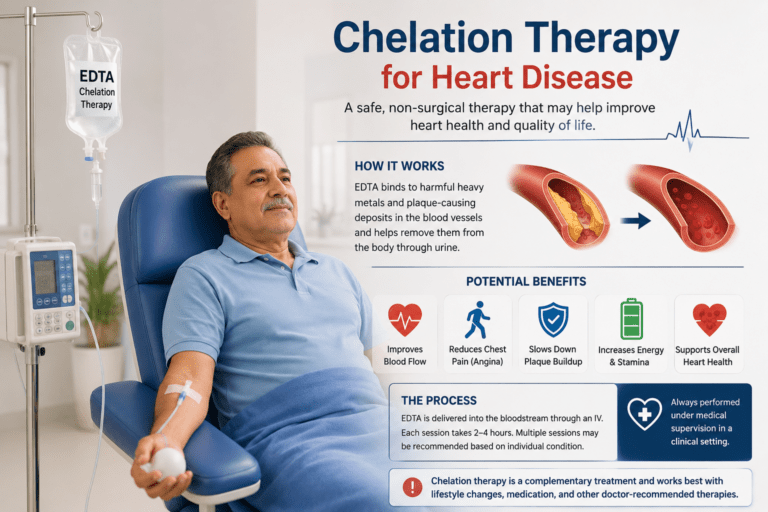
Heart disease remains one of the leading causes of illness worldwide. Many people seek treatments that may help improve their cardiovascular health while reducing symptoms and enhancing their quality of life. Chelation therapy for heart disease has gained attention as a complementary treatment option for selected patients, particularly those with a history of coronary artery disease. While it is not a replacement for emergency medical care or established treatments such as medications, angioplasty, or bypass surgery when these are indicated, some patients explore chelation therapy as part of a comprehensive heart care plan under medical supervision.
Chelation therapy was originally developed to remove heavy metals from the body. Over time, researchers began studying whether it might also offer cardiovascular benefits in carefully selected patients. Today, it continues to be discussed in preventive cardiology, particularly following research that explored its role in reducing cardiovascular events in specific patient groups. Understanding how chelation therapy works, who may benefit, and what current evidence suggests can help patients make informed healthcare decisions.
What Is Chelation Therapy for Heart Disease?
Chelation therapy is a medical treatment that involves administering a solution containing EDTA (Ethylenediaminetetraacetic Acid) through an intravenous (IV) infusion. EDTA binds to certain metals and minerals in the bloodstream, allowing them to be eliminated naturally through the kidneys.
The therapy has long been approved for treating heavy metal poisoning, including lead toxicity. However, some healthcare providers also offer EDTA chelation therapy as a complementary treatment for patients with cardiovascular disease after careful evaluation.
Each treatment session is performed in a monitored clinical setting by trained healthcare professionals. Patients remain comfortable throughout the infusion, which usually lasts several hours depending on the treatment protocol.
How Does Chelation Therapy Work?
Researchers continue to investigate the exact mechanisms by which EDTA chelation therapy may influence cardiovascular health. Several proposed mechanisms have been studied.
- Reduction of Oxidative Stress
Oxidative stress contributes to inflammation and damage within blood vessels. EDTA may reduce oxidative damage by binding certain metal ions that promote free radical formation. Lower oxidative stress may support healthier blood vessel function.
- Removal of Heavy Metals
Environmental exposure to heavy metals such as lead and cadmium has been associated with an increased risk of cardiovascular disease. Chelation therapy helps remove these metals from the body, potentially reducing their harmful effects on blood vessels.
- Improved Endothelial Function
The endothelium is the thin lining inside blood vessels. Healthy endothelial function supports proper blood circulation and vascular relaxation. Some researchers suggest chelation therapy may improve endothelial function in selected patients, although further research continues.
- Support for Overall Vascular Health
Chelation therapy is often combined with lifestyle modifications, nutritional counseling, exercise, medication management, and regular cardiac monitoring. This comprehensive approach may contribute to improved cardiovascular wellness.
Potential Benefits of Chelation Therapy for Heart Disease
Patients considering chelation therapy for heart disease often ask about its potential benefits. While responses vary among individuals, some patients report improvements after completing a physician-supervised treatment program.
Potential benefits may include:
- Improved circulation
- Reduced angina symptoms in selected patients
- Increased exercise tolerance
- Better energy levels
- Enhanced quality of life
- Reduced oxidative stress
- Removal of toxic heavy metals
- Support for preventive cardiovascular care
It is important to understand that results differ from person to person. Chelation therapy should always be discussed with a qualified physician who can determine whether it is appropriate based on the patient’s medical history.
Who May Be a Candidate for Chelation Therapy?
Chelation therapy may be considered for selected patients after a detailed cardiovascular evaluation.
Potential candidates may include individuals with:
- Stable coronary artery disease
- Previous heart attack
- Persistent cardiovascular risk factors
- Diabetes with cardiovascular disease
- Interest in complementary preventive care under physician supervision
Patients should undergo a complete medical assessment before starting treatment. Kidney function, medications, allergies, and overall health must be carefully reviewed.
At Shanikrupa Heartcare, EDTA Chelation Therapy is integrated with EECP Therapy, preventive cardiology, lifestyle modification, cholesterol management, diabetes care, and heart health monitoring to provide personalized, non-surgical heart care. Our comprehensive approach focuses on improving circulation, reducing cardiovascular risk factors, relieving symptoms in suitable patients, and enhancing overall heart health and quality of life. Every treatment plan is tailored to the patient’s condition and supervised by experienced medical professionals.
Important: Chelation therapy is not a substitute for emergency treatment, angioplasty, or bypass surgery when indicated. Recommendations for treatment are always made on the basis of an individual medical evaluation by a qualified physician.
Frequently Asked Questions
Chelation therapy is approved for treating heavy metal poisoning. Its use in heart disease remains a complementary approach for selected patients and should be discussed with a qualified physician.
The number of sessions varies depending on the treatment protocol and the patient’s clinical condition. Your physician will recommend an individualized plan.
No. Chelation therapy should not replace evidence-based treatments such as angioplasty or bypass surgery when those procedures are medically indicated.
Most patients experience minimal discomfort beyond the placement of the IV line. The infusion itself is generally well tolerated.
Yes. Many patients continue their prescribed medications during treatment. Never stop or change medications without consulting your physician.