
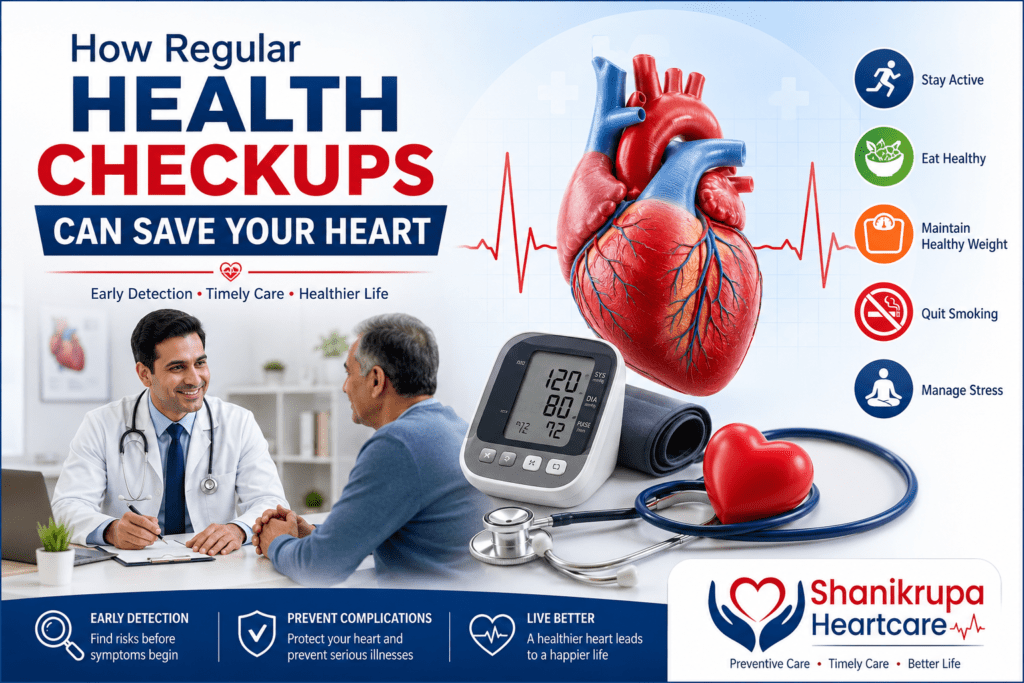
Heart disease remains one of the leading causes of illness and death worldwide. The good news? Many heart-related problems can be prevented or detected early through a regular Health checkup. Most people visit a doctor only when they experience symptoms like chest pain, breathlessness, or dizziness. However, heart disease often develops silently for years before showing any warning signs.
Think of your heart like the engine of a car. You wouldn’t wait for your car to break down before getting it serviced, would you? In the same way, your heart deserves regular maintenance to keep it functioning at its best. A simple Health checkup can identify hidden risk factors such as high blood pressure, diabetes, high cholesterol, obesity, or irregular heart rhythms before they become serious.
Whether you’re in your 20s, 40s, or beyond, investing in preventive healthcare today can help you avoid major health problems tomorrow. Let’s explore how routine health screenings can literally save your heart—and your life.
1. Why Heart Health Matters
Your heart beats over 100,000 times every day, pumping oxygen-rich blood throughout your body. Every organ depends on it. When your heart isn’t healthy, your entire body suffers.
Heart disease can affect anyone, regardless of age or gender. Factors like poor diet, smoking, lack of exercise, stress, diabetes, and high cholesterol significantly increase the risk. Fortunately, many of these risks can be managed through regular Health checkups and lifestyle improvements.
2. What Is a Health Checkup?
A Health checkup is a preventive medical examination designed to assess your overall health and identify potential health problems before symptoms appear.
A routine checkup may include:
- Blood pressure measurement
- Blood sugar test
- Cholesterol profile
- Body Mass Index (BMI)
- Electrocardiogram (ECG)
- Heart risk assessment
- Kidney and liver function tests
- Lifestyle evaluation
The purpose isn’t just to find diseases—it’s to prevent them.
3. Why Heart Disease Is Called the Silent Killer
Many people assume heart disease always causes chest pain. That’s not true.
Conditions like:
- High blood pressure
- High cholesterol
- Diabetes
- Early coronary artery disease
often develop silently without obvious symptoms.
By the time warning signs appear, the disease may already be advanced. Regular Health checkups help uncover these hidden risks early, allowing timely treatment.
4. Benefits of Regular Health Checkups
Early Detection Saves Lives
Detecting problems early makes treatment more effective and less expensive.
Better Control of Risk Factors
Routine monitoring helps keep:
- Blood pressure under control
- Cholesterol levels within normal range
- Blood sugar well managed
Reduced Healthcare Costs
Preventing disease is much more affordable than treating complications like heart attacks or strokes.
Peace of Mind
Knowing your heart is healthy provides confidence and reduces unnecessary anxiety.
5. Heart Conditions That Can Be Detected Early
Regular Health checkups can detect numerous cardiovascular problems.
High Blood Pressure
Often symptomless, hypertension damages blood vessels over time.
High Cholesterol
Excess LDL cholesterol causes plaque buildup inside arteries.
Coronary Artery Disease
Blocked arteries reduce blood flow to the heart muscle.
Heart Rhythm Disorders
An ECG can detect irregular heartbeats before complications develop.
Heart Failure Risk
Early assessment helps prevent progression.
6. Essential Tests Included in a Heart Health Checkup
Blood Pressure Test
High blood pressure significantly increases heart attack and stroke risk.
Lipid Profile
Measures:
- Total cholesterol
- LDL cholesterol
- HDL cholesterol
- Triglycerides
Blood Sugar Test
Diabetes greatly increases cardiovascular risk.
Electrocardiogram (ECG)
Records electrical activity of the heart.
Echocardiography
Provides images of heart structure and pumping function.
Stress Test
Evaluates heart performance during physical activity.
Body Mass Index (BMI)
Assesses obesity-related heart risk.
Kidney Function Tests
Kidney health and heart health are closely connected.
7. Who Should Get Regular Health Checkups?
Everyone benefits from preventive healthcare.
However, routine Health checkups are especially important if you:
- Are over 30 years old
- Have diabetes
- Have high blood pressure
- Smoke
- Are overweight
- Have a family history of heart disease
- Live a sedentary lifestyle
- Experience chronic stress
Even healthy individuals should schedule periodic screenings.
8. How Often Should You Schedule a Health Checkup?
The frequency depends on your age and health status.
20–30 Years
Every 2–3 years if healthy.
30–40 Years
Every 1–2 years.
Above 40 Years
Annual comprehensive Health checkup is recommended.
High-Risk Individuals
May require more frequent monitoring based on medical advice.
9. Lifestyle Changes After Your Health Checkup
A health screening provides valuable information—but action is what truly protects your heart.
Eat a Heart-Healthy Diet
Focus on:
- Fruits
- Vegetables
- Whole grains
- Nuts
- Fish
- Healthy oils
Reduce:
- Salt
- Sugar
- Fried foods
- Processed snacks
Exercise Regularly
Aim for at least 150 minutes of moderate exercise each week.
Quit Smoking
Smoking damages blood vessels and accelerates heart disease.
Maintain Healthy Weight
Losing even 5–10% of body weight improves heart health.
Manage Stress
Practice meditation, yoga, deep breathing, or hobbies you enjoy.
Reduce cholesterol by diet and exercise. start medication if need under doctors prescription.
10. Warning Signs You Should Never Ignore
Seek medical attention immediately if you experience:
- Chest pain
- Shortness of breath
- Pain in the jaw or left arm
- Unexplained fatigue
- Rapid heartbeat
- Dizziness
- Swelling in the legs
These symptoms may indicate a serious heart problem.
11. Choosing the Right Health Checkup Package
When selecting a health screening package, ensure it includes:
- Blood pressure evaluation
- Lipid profile
- Blood sugar testing
- ECG
- Doctor consultation
- BMI assessment
- Kidney and liver function tests
- Lifestyle counseling
Individuals with higher cardiovascular risk may also benefit from additional heart imaging or stress testing based on a physician’s recommendation.
Frequently Asked Questions (FAQs)
1. Why is a regular Health checkup important for heart health?
A regular Health checkup helps detect high blood pressure, high cholesterol, diabetes, and other hidden risk factors early, allowing timely treatment before they lead to serious heart disease.
2. At what age should I start getting regular Health checkups?
Healthy adults should begin routine health screenings in their 20s. After age 40, an annual Health checkup is generally recommended, especially if there are risk factors such as diabetes, obesity, smoking, or a family history of heart disease.
3. What tests are included in a heart Health checkup?
A heart-focused Health checkup commonly includes blood pressure measurement, blood sugar testing, lipid profile, ECG, BMI assessment, kidney function tests, and a physician’s consultation. Additional tests may be advised based on your individual risk.
4. Can a Health checkup prevent a heart attack?
While a Health checkup cannot guarantee prevention, it can identify risk factors early and guide lifestyle changes or medical treatment that significantly reduce the likelihood of a heart attack.
5. How often should I have a Health checkup?
Most adults should undergo a Health checkup every one to two years, while individuals over 40 or those with existing risk factors should consider annual or physician-recommended evaluations to maintain optimal heart health.