Foods That Naturally Reduce Cholesterol | Complete Cholesterol Management Guide
- Home
- Foods That Naturally Reduce Cholesterol | Complete Cholesterol Management Guide
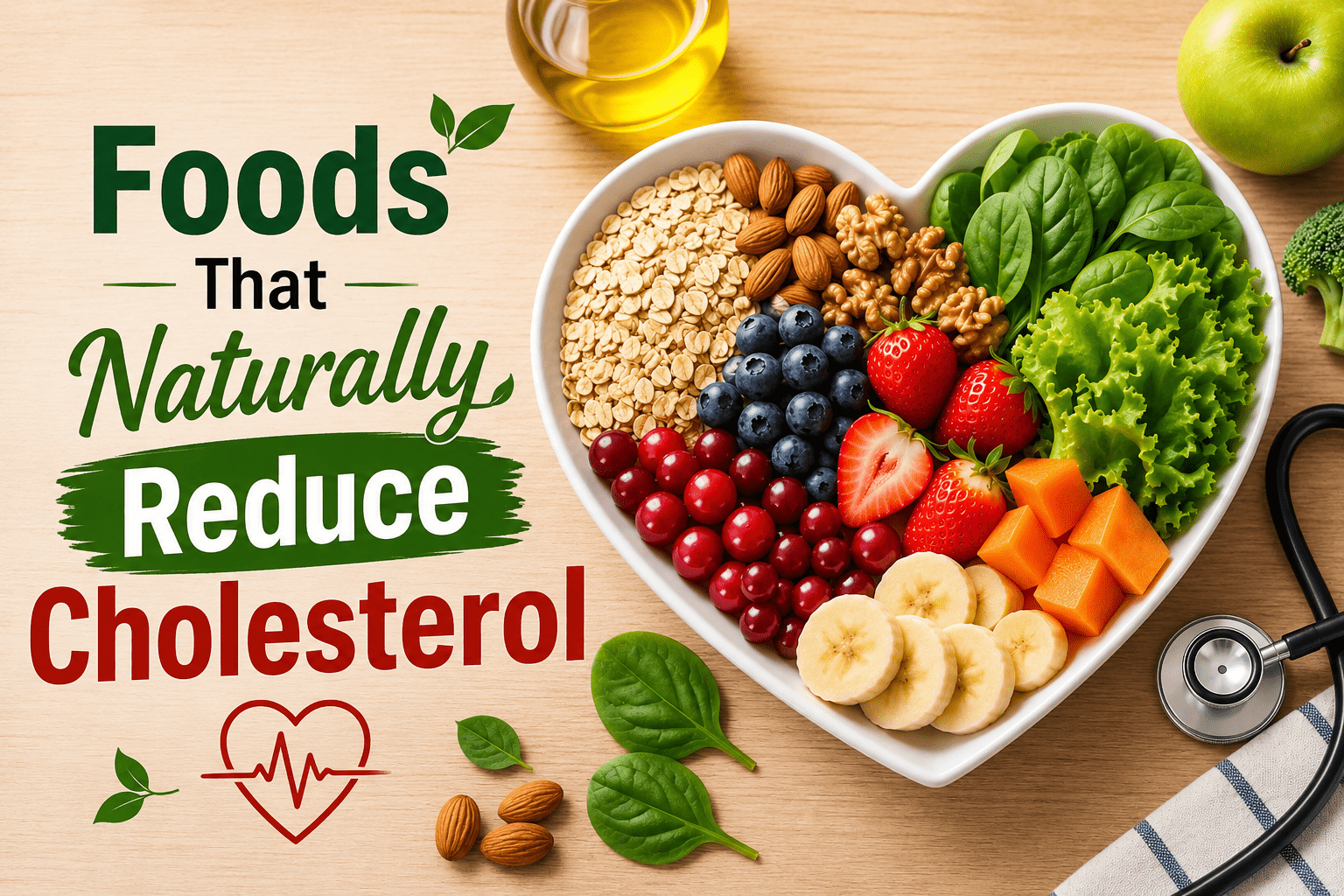

High cholesterol is one of the leading risk factors for heart disease and stroke. The good news is that your daily food choices can make a significant difference. An effective cholesterol management plan combines a healthy diet, regular exercise, weight control, and medical guidance when needed. Many foods contain nutrients that help reduce LDL (“bad”) cholesterol while supporting HDL (“good”) cholesterol and overall cardiovascular health.
This guide explains the best foods to include in your diet, what to avoid, and practical habits that promote a healthier heart.
Cholesterol is a waxy substance produced by the liver and obtained from certain foods. Your body needs cholesterol to build cells and produce hormones, but excessive levels—especially LDL cholesterol—can accumulate inside arteries.
Over time, these deposits narrow blood vessels and increase the risk of:
There are two main types:
LDL (Low-Density Lipoprotein):
Often called “bad cholesterol” because high levels contribute to plaque formation.
HDL (High-Density Lipoprotein):
Known as “good cholesterol” because it helps remove excess cholesterol from the bloodstream.
The goal of successful cholesterol management is to lower LDL while maintaining healthy HDL levels.
Oats are rich in beta-glucan, a soluble fiber that binds cholesterol in the digestive tract and helps remove it from the body.
Good choices include:
Starting your day with oatmeal is one of the easiest dietary changes for heart health.
Many fruits naturally help lower LDL cholesterol.
Examples include:
Their fiber slows cholesterol absorption and supports healthy digestion.
Vegetables are naturally low in calories and high in antioxidants and fiber.
Choose:
Aim for at least five servings daily.
Almonds, walnuts, flaxseeds, and chia seeds contain healthy fats, fiber, and plant sterols.
Regular consumption may help:
Enjoy them in moderation because they are calorie-dense.
Fish rich in omega-3 fatty acids help support healthy cholesterol levels.
Examples:
Eating fish two to three times a week benefits cardiovascular health.
Vegetarians can obtain omega-3s from flaxseeds, walnuts, and chia seeds.
Beans, lentils, and chickpeas provide protein without saturated fat.
Excellent choices include:
They keep you full longer while supporting cholesterol management.
Replace butter and ghee with healthier options whenever appropriate.
Choose:
Use oils in moderation, as excess calories can contribute to weight gain.
Garlic contains compounds that may help maintain healthy cholesterol and blood pressure levels.
While not a substitute for medication, adding fresh garlic to meals can complement a heart-healthy diet.
Green tea contains antioxidants called catechins that may support heart health and modestly improve cholesterol levels when combined with a healthy lifestyle.
Soy products such as tofu, soy milk, and edamame can replace foods high in saturated fat and support healthier cholesterol levels.
Reducing unhealthy foods is just as important as eating healthy ones.
Limit:
Reading food labels can help you avoid hidden saturated and trans fats.
Diet alone is not enough.
Combine healthy eating with these habits:
These lifestyle changes work together to improve long-term heart health.
High cholesterol often causes no symptoms. Many people discover it only after a routine blood test or a heart-related event.
Consult a healthcare professional if you:
Your doctor may recommend lifestyle changes, medication, or additional therapies depending on your overall cardiovascular risk.
Healthy eating is one of the most effective ways to improve cholesterol management and reduce the risk of heart disease. Foods such as oats, fruits, vegetables, legumes, nuts, seeds, fatty fish, and healthy oils provide nutrients that support healthy cholesterol levels and overall cardiovascular wellness.
However, diet is only one part of the solution. Regular physical activity, weight management, stress reduction, and routine health check-ups all play an important role in protecting your heart.
If you have high cholesterol or are at risk for heart disease, seek professional medical advice. Early intervention and a personalized treatment plan can help you achieve better heart health and prevent future complications.
WhatsApp us