
On your first visit, our doctor will understand your health history, check your vital signs, and review any previous reports. Basic tests may be done if needed. Based on this, we will explain your condition and suggest a simple, personalized treatment plan along with lifestyle advice.
High blood pressure, High cholesterol, Diabetes, Smoking, Obesity (overweight), Lack of physical activity, Unhealthy diet, Stress, Family history of heart disease, Excess alcohol consumption, Managing these risk factors can help reduce the chances of heart problem
Chest pain or discomfort (pressure, tightness, or heaviness), Pain spreading to the arm, neck, jaw, back, or shoulders, Shortness of breath, Sweating (cold sweat), Nausea or vomiting, Dizziness or lightheadedness, Unusual fatigue (especially in women), If you notice these symptoms, seek medical help immediately—early treatment can save lives.
Yes, in many cases, heart disease can be prevented. Simple daily habits like eating healthy, staying active, avoiding smoking, and managing stress can make a big difference. Keeping your blood pressure, sugar, and cholesterol under control also helps protect your heart. Regular check-ups are important to catch any problems early.
Yes, many over-the-counter capsules and liquids are heavily marketed as "oral chelation" supplements. These products typically contain ingredients like EDTA, organic cilantro, chlorella, or modified citrus pectin. Mainstream medical agencies warn that oral EDTA is very poorly absorbed by the digestive tract. The FDA frequently issues warning letters to companies making fraudulent health claims about these supplements. Licensed physicians agree that oral supplements cannot replace medically supervised intravenous therapy.
CCG is highly precise in detecting early changes in blood flow turbulence and circulation. It uncovers functional discrepancies and oxygen supply issues that traditional tools might miss. However, its findings are best viewed as a functional map rather than a direct physical view. Mainstream medical consensus notes that positive results should be cross-verified by standard cardiac tests. It serves as a highly reliable, early-warning baseline to catch disease before it gets serious.
Yes, CCG can be safely repeated any number of times based on clinical needs. Because it uses surface sensors and electrodes, it does not emit dangerous radiation. It creates zero "after-effects" or physical stress on an already weak cardiovascular system. This makes it an ideal tool for routinely monitoring the progress of ongoing heart treatments. Unlike invasive alternatives, it poses no cumulative risk to the patient's long-term health.
The only definitive way to know if you have heart disease is through a medical evaluation with a healthcare provider. However, you can spot potential warning signs by being aware of common, sometimes subtle, symptoms as well as your personal risk factors.
Yes, it’s important to visit a doctor even if you feel perfectly healthy. Many heart problems develop silently without clear symptoms. Regular check-ups help detect issues early and keep your heart in good condition. Prevention is always better than treatment.
Cardiovascular Cartography is a non-invasive test used to assess heart function and blood circulation. During the procedure, sensors or electrodes are placed on your body (usually chest, arms, and legs) to record electrical activity and blood flow patterns. The process is painless and usually takes a short time. The collected data is analyzed by a specialist to understand heart performance, detect blockages, and identify any abnormalities. Based on the results, a suitable treatment plan is recommended.
You may need cardiovascular cartography if you have symptoms like chest pain, shortness of breath, fatigue, or irregular heartbeat. It is also recommended if you have risk factors such as high blood pressure, diabetes, high cholesterol, or a family history of heart disease. Even if you don’t have symptoms, your doctor may suggest this test as part of a preventive heart check-up to detect issues early.
Preventing a second heart attack mainly depends on healthy lifestyle changes and proper medical care: Take your prescribed medicines regularly, Eat a heart-healthy diet (low in salt, sugar, and unhealthy fats), Exercise regularly as advised by your doctor, Quit smoking and avoid alcohol, Manage stress effectively, Keep blood pressure, sugar, and cholesterol under control, Maintain a healthy weight, Go for regular check-ups, Following these steps can greatly reduce the risk and help keep your heart healthy.
Because chelation strips away good nutrients, taking high-quality mineral and vitamin supplements is mandatory. Adopting a strict, antioxidant-rich, heart-healthy diet helps support the body's natural detoxification pathways. Drinking a minimum of 8 to 10 glasses of water daily helps your kidneys flush out bound toxins. Completely avoiding smoking, tobacco, and high-heavy-metal foods (like certain fish) is strongly recommended. Routine follow-up lab work is necessary to continuously monitor your kidney function and electrolyte health.
CCG is a screening tool and does not entirely replace a conventional invasive coronary angiogram. While CCG non-invasively maps global blood flow, an angiogram physically visualizes arterial blockages. CCG is often utilized first because it carries no procedural risk, pain, or recovery downtime. If a CCG report indicates severe abnormalities, a doctor may then recommend an angiogram. It acts as an exceptional, safe buffer to determine if invasive catheterization is truly necessary.
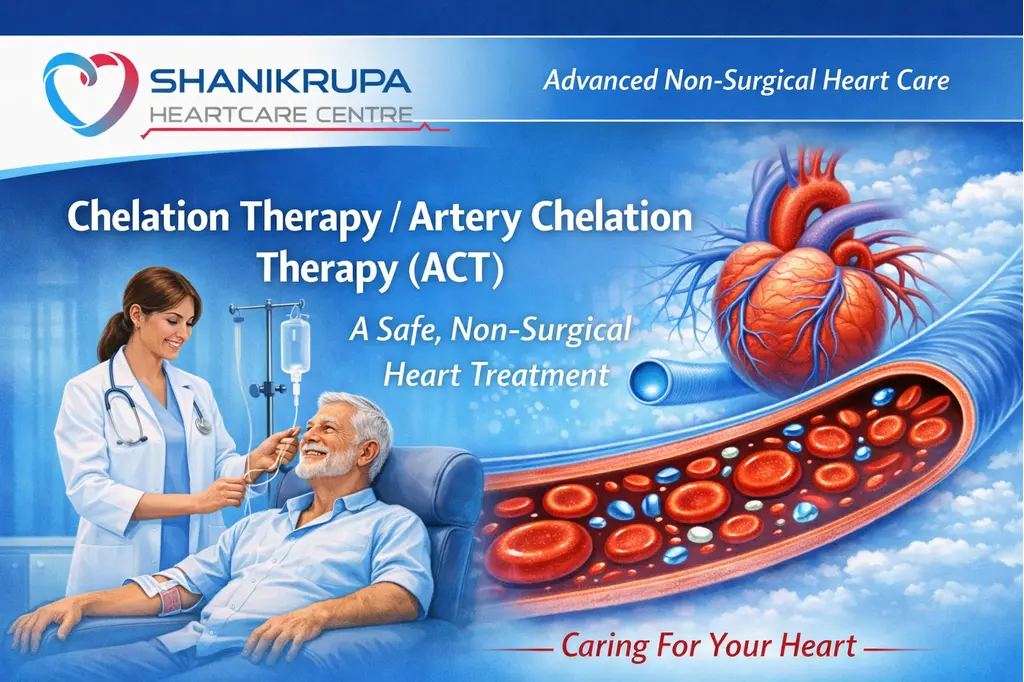
ACT is not a magic cure-all and must be combined with a broad health care program. Patients are required to adopt a heart-healthy diet that strictly avoids damaging saturated fats. Incorporating regular, low-impact cardiovascular exercise into your weekly routine is highly recommended. The absolute avoidance of smoking and tobacco products is mandatory to prevent new plaque. Doctors will also prescribe targeted vitamin supplements and medications to manage cholesterol.
Sudden or Rapid Weight Gain: Gaining 2 to 3 pounds in a single day, or 5+ pounds within a week, is usually a sign that the body is dangerously retaining fluid (fluid overload) rather than gaining fat. Increased Shortness of Breath (Dyspnea): Feeling unusually winded during simple daily activities, experiencing a persistent cough, or finding it difficult to breathe when lying flat in bed (requiring you to prop yourself up with extra pillows to sleep comfortably).
Unusual Fatigue or Chronic Exhaustion: Feeling completely wiped out after doing simple, everyday tasks (like making the bed or walking to the mailbox) can happen when the heart muscle struggles to pump enough blood to meet the body's tissues' needs. Mild Chest Discomfort or Angina: This isn't always a sharp, crushing pain; early signs often feel like a subtle tightness, pressure, squeezing, or a burning sensation in the center of the chest during physical exertion or stress, which usually goes away with rest. Shortness of Breath During Low Activity: Finding yourself unexpectedly winded, gasping for air, or needing to rest while climbing a single flight of stairs or walking short distances can indicate that the heart is under stress or fluid is beginning to back up into the lungs.
Our Trending Blogs