
Chelation Therapy
- Home
- Chelation Therapy

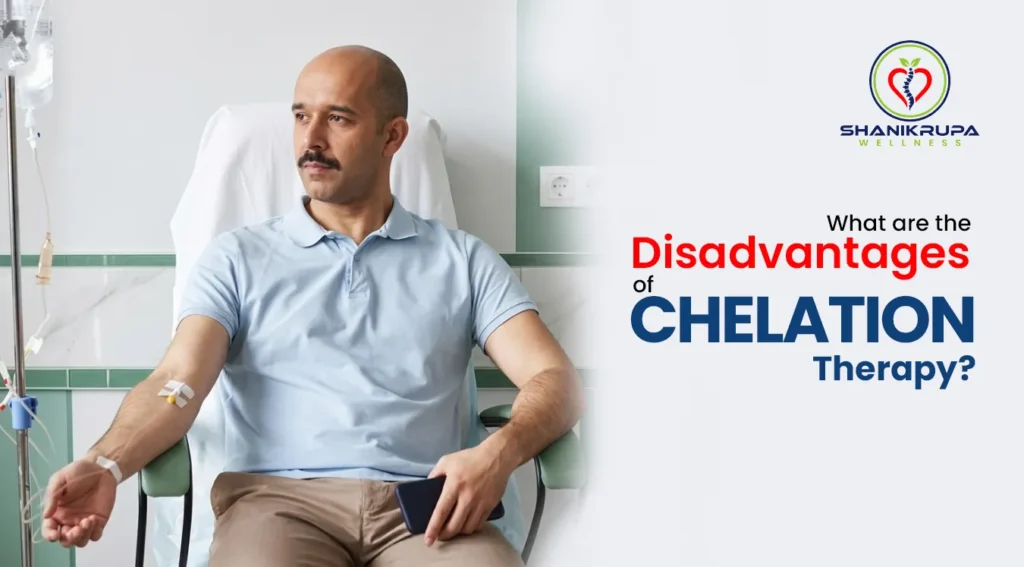


Chelation therapy, or Artery Chelation Therapy (ACT), is a non-surgical, safe treatment that helps to unblock blocked arteries by eliminating damaging pollutants and increasing blood flow. This natural therapy is intended to restore heart health and lower the risk of heart disease, providing an acceptable alternative to surgery.
Any adult who wants to maintain good health, prevent degenerative disorders, and enhance their circulatory system can undergo chelation therapy.
The specific health conditions listed below are ones that we can assist with in addition to dietary support and lifestyle changes:
Alternative practitioners frequently promote it to treat atherosclerosis and dissolve arterial plaque.
The theory is that EDTA binds to calcium deposits, softening and opening narrowed blood vessels.
However, major bodies like the FDA state it is not approved or proven to treat heart disease.
Mainstream clinical trials have shown conflicting and insufficient evidence to support routine cardiac use.
Cardiologists emphasize that it should never replace proven treatments like angioplasty, stents, or bypass.
The therapy is conducted entirely on an outpatient basis in a clinical setting.
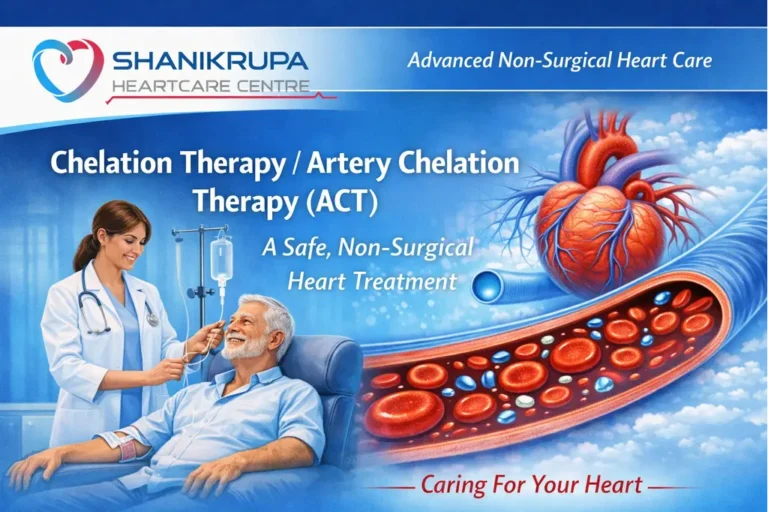
A nurse inserts a standard intravenous (IV) line into a vein in your hand or arm.
The customized EDTA solution, often mixed with vitamins, slowly drips into your bloodstream.
Patients sit comfortably in a reclining chair and can read, watch television, or rest.
Once the fluid container empties, the IV is removed, and you can leave immediately.
A single intravenous chelation infusion typically takes between two to three hours to complete safely.
Infusions must be administered slowly to prevent sudden chemical imbalances or kidney strain.
Patients undergoing alternative protocols usually receive treatments one to two times per week.
A full therapeutic regimen for chronic conditions often requires 20 to 40 total sessions.
The exact length and frequency of the program depend heavily on your physician’s evaluation.
The most frequent minor side effect is a temporary burning sensation at the IV injection site.
Patients may experience mild, short-term detox symptoms like low fevers, headaches, nausea, or fatigue.
A rapid infusion can cause a sudden, dangerous drop in blood sugar or blood pressure levels.
Because EDTA binds indiscriminately, it can dangerously deplete vital nutrients like calcium and zinc.
The most serious risk is severe kidney damage, which can lead to life-threatening renal failure.
Comprehensive blood and urine laboratory tests must be performed to check baseline kidney function.
Doctors will thoroughly evaluate your liver enzymes, blood counts, and electrolyte balance beforehand.
Patients are typically advised to eat a light, balanced meal prior to their scheduled session.
Staying exceptionally well-hydrated by drinking plenty of water before and during the IV is essential.
Your physician may adjust your routine daily medications on the morning of the procedure.
WhatsApp us