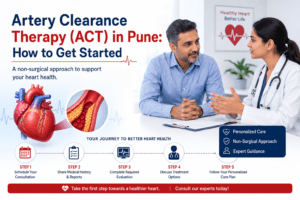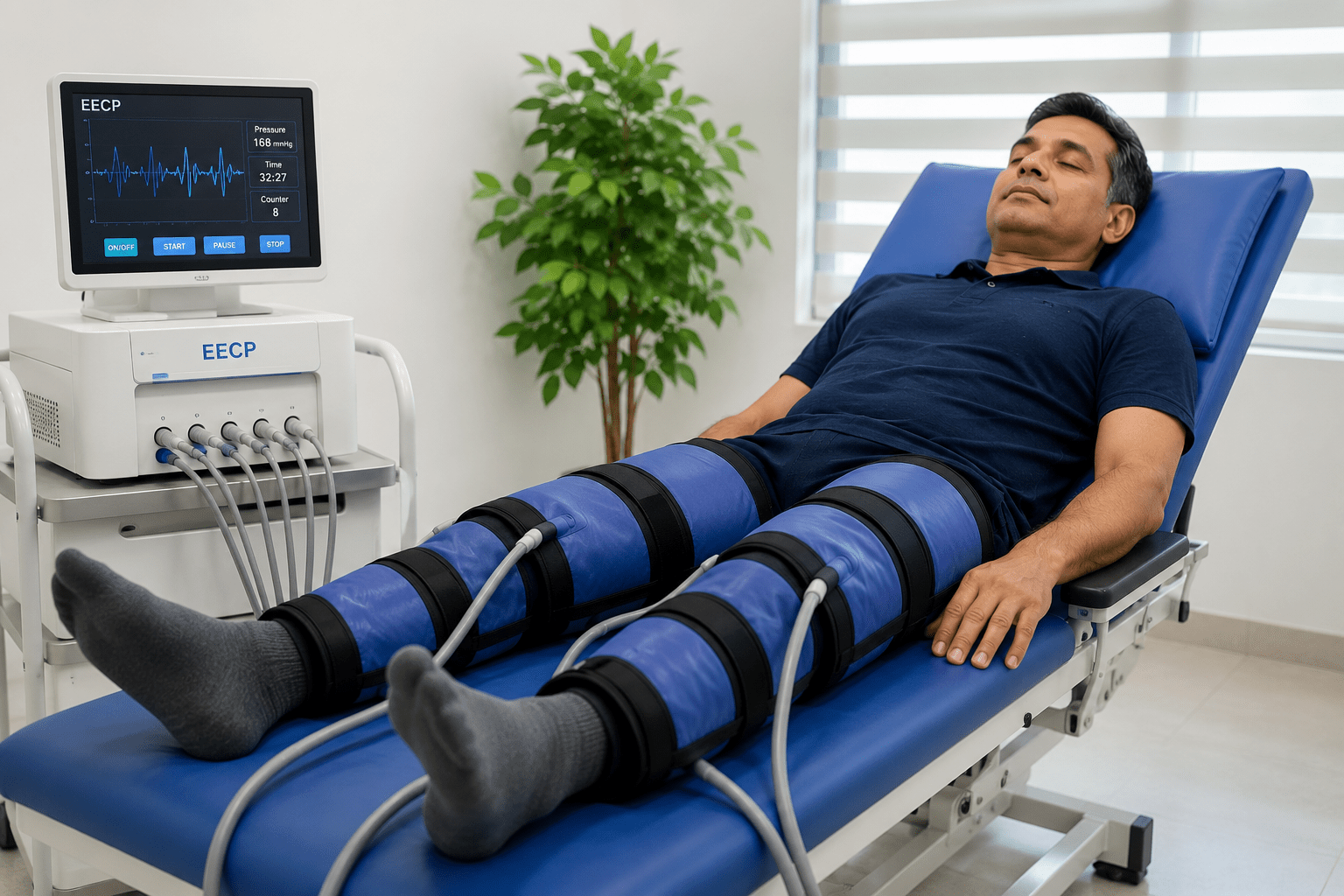
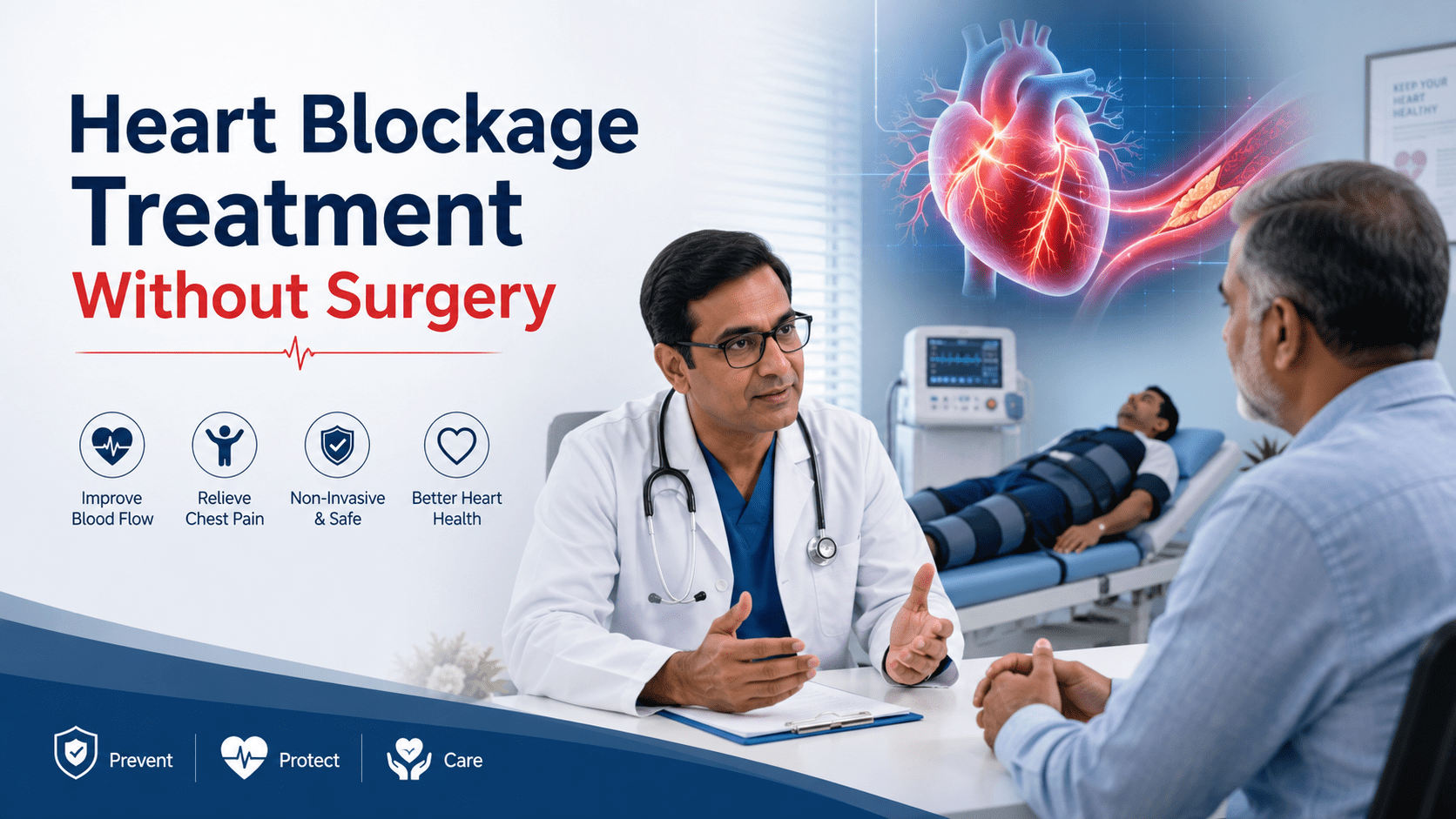


Our mission is to provide effective heart blockage treatment using natural alternatives that improve cardiovascular health—all without the risks of major surgery. We are dedicated to delivering personalized care using modern therapies that restore blood flow and enhance overall wellness to protect your heart without surgery.
How to Protect Your Heart Without Surgery?
Control blood pressure and cholesterol
Follow a heart-healthy diet rich in fruits, vegetables, and whole grains
Exercise regularly as advised by your doctor
Quit smoking and limit alcohol consumption
Schedule regular heart check-ups and preventive screenings
Take prescribed medications consistently
Learn more about EECP Therapy in Pune.
Who can benefit from treatment to protect your heart without surgery?
- People with high cholesterol
- Patients with diabetes or hypertension
- Individuals with stable angina (chest pain)
- Those with a family history of heart disease
- Anyone looking to reduce their risk of heart attack
Why Choose Shanikrupa Heartcare Centre?
We are one of the leading centers in Pune offering non-surgical heart treatments.
Our Strengths:
- Experienced heart care specialists
- Advanced non-invasive technology
- Personalized treatment plans
- Proven patient results
- Focus on natural healing
Our goal is simple—to help you avoid bypass surgery and live a healthy life
Our Trending Blogs

How to Avoid Heart Attack?
How to Avoid a Heart Attack? A heart attack can feel like a sudden event, but the cardiovascular problems that lead to many heart attacks

Heart Screening Tests: Cardiovascular Cartography
Heart Screening Tests: Cardiovascular Cartography Heart disease remains one of the leading causes of death worldwide. The encouraging news is that many cardiovascular conditions can be

EECP Treatment: A Non-Surgical Approach to Improving Heart Health
If you’re looking for a non-surgical treatment for heart disease, EECP treatment (Enhanced External Counterpulsation) may be an option for certain patients. This non-invasive therapy

Heart Attack Prevention Tips
Heart attacks remain one of the leading causes of death worldwide. The encouraging news is that many heart attacks can be prevented through healthy lifestyle

Foods That Naturally Reduce Cholesterol | Complete Cholesterol Management Guide
High cholesterol is one of the leading risk factors for heart disease and stroke. The good news is that your daily food choices can make

Monsoon Wellness: Benefits of Drinking Suntha (Dry Ginger) Water
Monsoon Wellness: Benefits of Drinking Suntha (Dry Ginger) Water The monsoon season brings cool breezes, lush greenery, and the joy of refreshing rain. However, it
FAQ - Frequently Asked Questions
Preventive cardiology focuses on identifying and managing cardiovascular risk factors before serious heart disease develops or progresses. It may include assessment of blood pressure, cholesterol, diabetes risk, lifestyle factors, weight, physical activity and other individual risk factors.
People with risk factors such as high blood pressure, high cholesterol, diabetes, obesity, smoking, physical inactivity or a family history of cardiovascular disease may benefit from discussing preventive heart-health evaluation with a healthcare professional.
Some patients may be considered for non-surgical or non-invasive approaches, while others may require medications or procedures. A qualified healthcare professional should determine the appropriate treatment after evaluation.
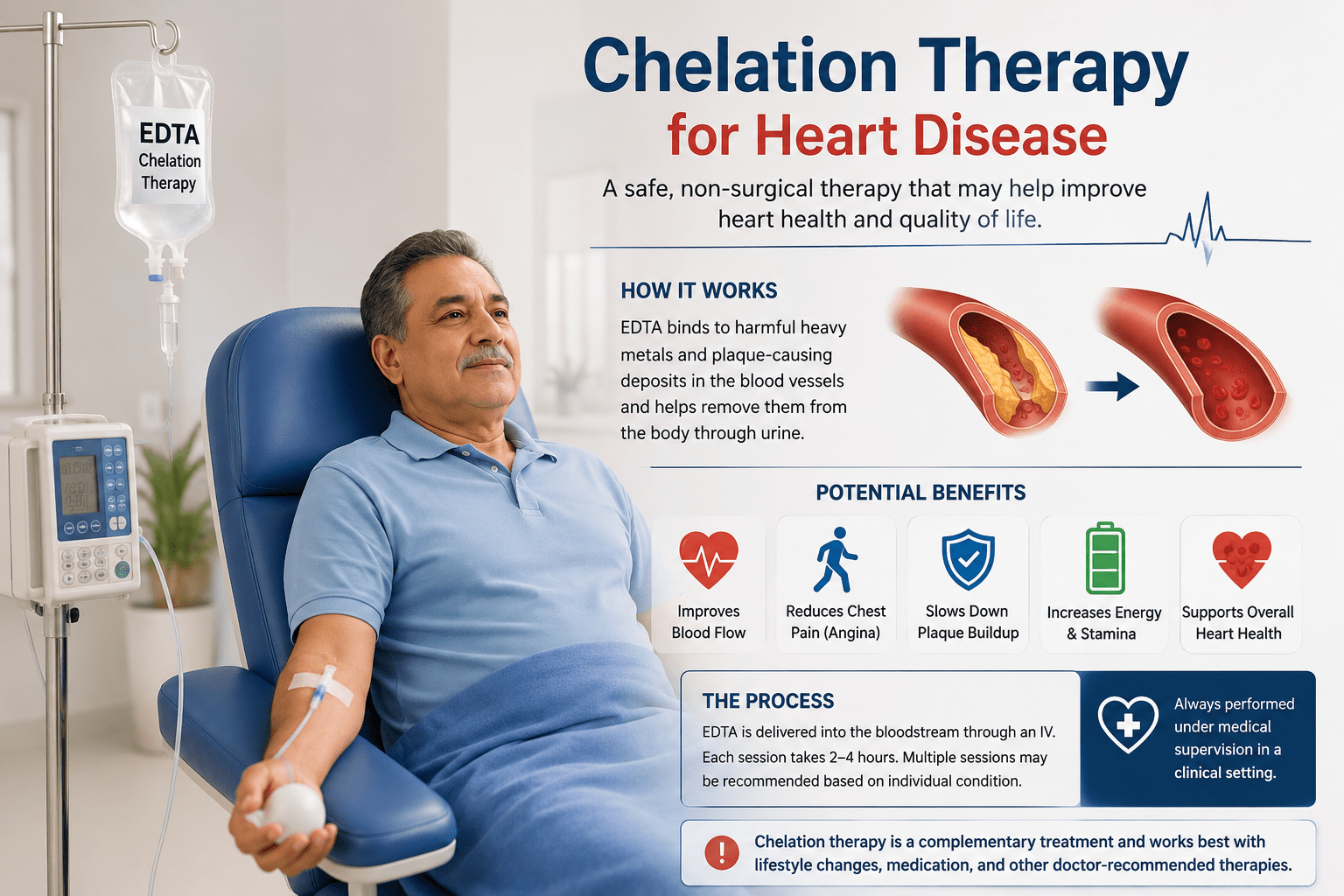
The best treatment for coronary heart disease depends on the individual patient. Treatment may include lifestyle changes, medications, cardiac rehabilitation, non-surgical treatments like EECP therapy, Chelation therapy, Ozone therapy.
EECP is a non-invasive treatment option that may be considered for selected patients with chronic angina who want to avoid or delay surgery.
Yes, some patients with coronary heart disease may be managed without surgery through lifestyle changes, medications, and selected non-invasive treatments such as EECP.
After EECP therapy, follow a heart-healthy lifestyle with regular physical activity as advised by your doctor, a balanced diet, healthy weight management, good sleep, stress control, and avoidance of smoking and tobacco. Continue prescribed medicines and attend regular follow-up appointments as recommended.
No. Cardiovascular conditions and risk factors vary from person to person. Treatment recommendations should be based on an individual’s symptoms, medical history, examination, investigations and overall health.