Heart Screening Tests: Cardiovascular Cartography
- Home
- Heart Screening Tests: Cardiovascular Cartography
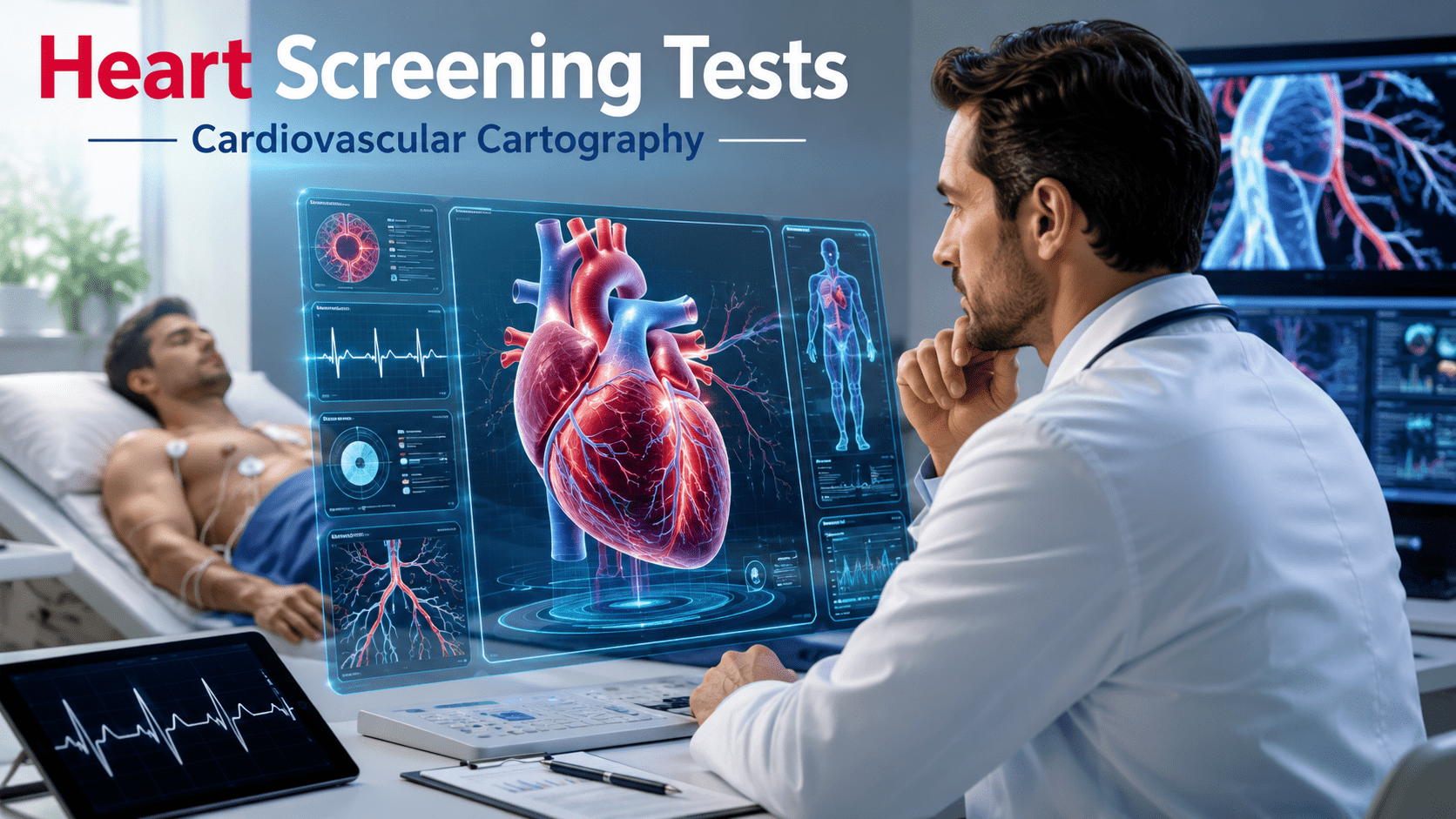
Heart disease remains one of the leading causes of death worldwide. The encouraging news is that many cardiovascular conditions can be detected early through advanced heart screening tests. Modern medical technology has transformed the way doctors evaluate heart health, making it possible to identify potential problems before they become life-threatening.
One of the latest concepts gaining attention in cardiovascular diagnostics is cardiovascular cartography. While not yet a common term among patients, it represents the detailed mapping and assessment of the heart, blood vessels, blood flow, and cardiovascular function using advanced diagnostic techniques. Combined with preventive cardiology, cardiovascular cartography helps physicians create personalized treatment plans that improve patient outcomes.
This guide explains heart screening tests, the concept of cardiovascular cartography, who should undergo screening, available diagnostic methods, benefits of early detection, and how preventive care can help protect your heart.
Heart screening tests are medical evaluations used to assess the condition and function of the heart and blood vessels. These tests help identify cardiovascular diseases before symptoms develop or become severe.
The main objectives of heart screening include:
Early diagnosis allows doctors to recommend lifestyle changes, medications, or non-invasive therapies before serious complications occur.
“Cardiovascular cartography” refers to the comprehensive mapping of the cardiovascular system using advanced diagnostic tools. Instead of focusing on only one aspect of heart health, this approach provides a complete picture of:
Doctors combine multiple screening tests to create a detailed cardiovascular profile that helps personalize treatment recommendations.
Many people believe heart disease always causes chest pain. However, heart disease often develops silently over many years.
Early screening can detect the following:
Early detection significantly reduces the risk of heart attack, stroke, heart failure, and sudden cardiac death.
Heart screening is recommended for individuals who:
Preventive screening helps detect disease before symptoms become severe.
Modern diagnostic technology enables physicians to identify heart disease earlier than ever before.
Advanced cardiovascular cartography combines multiple diagnostic tools into a comprehensive evaluation, helping patients receive accurate diagnoses and personalized treatment recommendations.
When combined with regular health checkups and healthy lifestyle choices, heart screening becomes one of the most effective strategies for protecting long-term cardiovascular health.
Cardiovascular cartography is a comprehensive approach to mapping heart function, blood circulation, and cardiovascular health using advanced diagnostic tests.
Most heart screening tests are completely painless and non-invasive.
Adults over 40 or those with cardiovascular risk factors should discuss screening frequency with their healthcare provider. Many people benefit from annual evaluations.
Screening cannot prevent heart attacks by itself, but it can identify risk factors early, allowing timely treatment that lowers the risk.
Yes. Many heart conditions develop silently without noticeable symptoms. Preventive screening can detect problems before they become serious.
WhatsApp us