How to Avoid Heart Attack?
- Home
- How to Avoid Heart Attack?
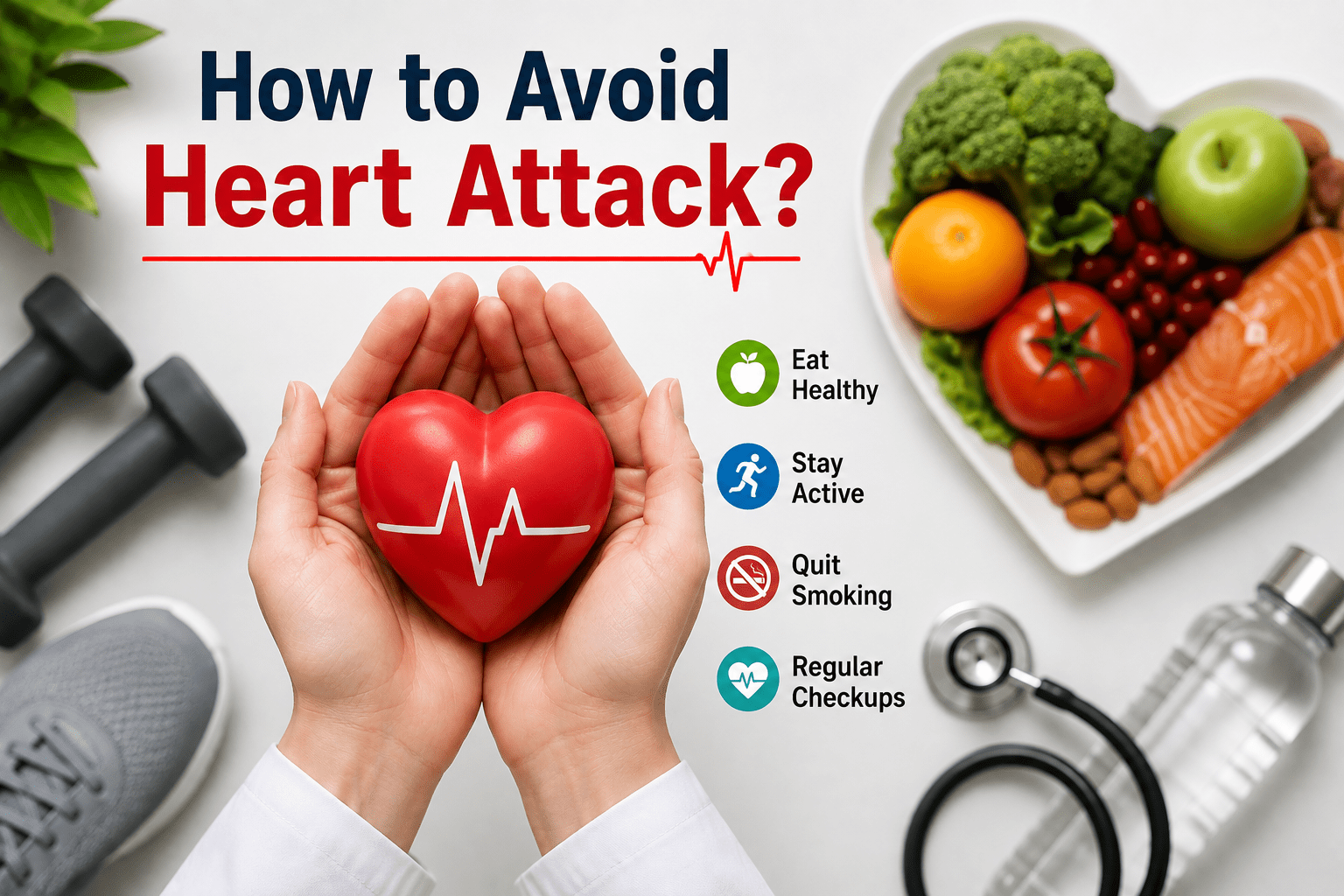
A heart attack can feel like a sudden event, but the cardiovascular problems that lead to many heart attacks often develop gradually. Cholesterol accumulation, high blood pressure, diabetes, tobacco exposure, physical inactivity, excess body weight and unhealthy eating patterns can place increasing stress on the cardiovascular system over time. That means an important question is not simply, “How do we treat a heart attack?”, but “How can we reduce our risk before one happens?” The World Health Organization identifies cardiovascular diseases as the leading cause of death globally and reports that cardiovascular disease caused an estimated 19.8 million deaths in 2022, with heart attack and stroke responsible for the majority of those deaths.
The encouraging part is that many important cardiovascular risk factors are modifiable. We cannot change our age, genetics or family history, but we can influence many of the everyday factors that shape cardiovascular health. The American Heart Association’s Life’s Essential 8 focuses on eating better, being physically active, avoiding nicotine, maintaining healthy sleep, managing weight, controlling cholesterol, managing blood sugar and controlling blood pressure. These are not overnight solutions or quick fixes. Think of them as maintenance for an engine: small, consistent actions can help keep the cardiovascular system functioning better over the long term. This guide explains practical ways to reduce the risk of heart attack, when medical evaluation becomes important, and what warning signs should never be ignored.
A heart attack occurs when blood supply to part of the heart muscle becomes severely restricted or blocked. The heart muscle depends on coronary arteries to deliver oxygen and nutrients, so an interruption in that blood flow can damage the affected tissue. One of the most common underlying problems is coronary artery disease, in which plaque develops inside the arteries. Plaque can consist of cholesterol, fatty substances, calcium and other materials. Over time, the buildup may narrow an artery, and in some situations a plaque can rupture and contribute to the formation of a blood clot that suddenly obstructs blood flow. This is why heart attack prevention is not simply about avoiding one particular food or doing one particular exercise; it is about reducing the overall burden of cardiovascular risk.
Some risk factors are outside our control. Age, family history and inherited tendencies can influence cardiovascular risk. Other factors, however, can often be improved through lifestyle changes and appropriate medical care. The WHO identifies tobacco use, unhealthy diet, physical inactivity and harmful alcohol use as major behavioural cardiovascular risk factors, while high blood pressure, elevated blood glucose, abnormal blood lipids and overweight or obesity are important metabolic risk factors. When several of these factors occur together, the overall risk can become more significant. This is why a person who feels perfectly healthy may still benefit from understanding their blood pressure, cholesterol, blood sugar, weight, activity level and tobacco exposure rather than waiting until symptoms appear.
During a heart attack, part of the heart muscle is deprived of adequate blood and oxygen. The longer the interruption continues, the greater the potential for permanent damage to the heart muscle. A person may experience pressure, squeezing, fullness, or pain in the chest, but symptoms are not always identical from one person to another. Discomfort may also occur in the arm, shoulder, back, neck, jaw, or upper abdomen, and some people experience shortness of breath, sweating, nausea, dizziness, or unusual weakness. The American Heart Association specifically identifies shortness of breath and severe chest pressure and discomfort in other areas of the upper body among important warning signs.
This is one reason prevention and awareness need to work together. We should not assume that a heart attack always looks like dramatic chest pain followed by collapse. Symptoms can be subtle, particularly in some people, and the absence of classic symptoms does not automatically mean the situation is safe. If symptoms suggest a possible heart attack, the priority is urgent emergency medical assessment, not waiting to see whether the discomfort disappears. Prevention can lower risk, but once a suspected cardiac emergency begins, rapid medical attention becomes the priority. Understanding this distinction is essential: lifestyle changes are for long-term risk reduction, while suspected heart attack symptoms require immediate medical care.
Heart attack risk rarely comes down to one isolated factor. Instead, several influences can interact over many years. High blood pressure can put additional strain on blood vessels, while abnormal cholesterol can contribute to plaque development. Diabetes and persistently elevated blood glucose can damage blood vessels and increase cardiovascular risk. Smoking and other tobacco exposure can adversely affect blood vessels and cardiovascular health, while physical inactivity, excess weight, and an unhealthy diet can contribute to several of these metabolic problems simultaneously.
A useful way to think about prevention is to identify the risk factors we can measure and the habits we can change. Blood pressure can be checked. Cholesterol can be measured through a lipid profile. Blood glucose and HbA1c can help assess diabetes and blood-sugar control when clinically appropriate. Weight, waist circumference, physical activity, smoking status, diet, and sleep can also provide useful information about overall health. The WHO emphasizes that detecting cardiovascular disease and its risk factors early allows appropriate counseling and treatment to begin. Rather than focusing on one “magic” prevention strategy, we can build a cardiovascular protection plan around the complete picture.
One of the most useful approaches to heart attack prevention tips is to stop thinking of heart health as something we work on only when a doctor tells us to. Our cardiovascular system responds to what we repeatedly do: what we eat, how much we move, whether we smoke, how well we sleep and how consistently we manage health conditions. A single healthy meal cannot undo years of unhealthy habits, just as one inactive day does not destroy cardiovascular fitness. The real advantage comes from repetition. The AHA’s Life’s Essential 8 framework similarly emphasizes multiple interconnected behaviours and health factors rather than one isolated intervention.
This does not mean that every person needs the same routine. Someone with diabetes may need a different dietary and exercise strategy from someone without diabetes. Someone with known coronary artery disease may require a medically supervised activity plan. A person taking medication for high blood pressure or cholesterol should not discontinue it simply because lifestyle habits have improved. Prevention works best when lifestyle choices and appropriate medical care complement one another. The goal is to create a sustainable routine that fits real life rather than following an extreme program for a few weeks and abandoning it.
Food is one of the most practical places to begin improving cardiovascular health. A heart-friendly eating pattern generally emphasizes vegetables, fruits, whole grains, legumes, nuts, seeds, appropriate lean protein sources, and healthier unsaturated fats. The AHA recommends an overall healthy eating pattern built around whole foods, fruits and vegetables, lean protein, nuts and seeds, and appropriate cooking oils. The goal is not to label every food as “good” or “bad,” but to make the healthiest choices the normal choices most of the time.
We can also pay attention to excessive salt, added sugars, saturated fats, and highly processed foods. This matters because diet can influence several cardiovascular risk factors simultaneously, including blood pressure, cholesterol, blood sugar, and body weight. The WHO also highlights unhealthy diets, including excessive salt, sugar and fats, as important contributors to noncommunicable disease risk. For someone living in India, heart-healthy eating does not require abandoning familiar foods. Traditional meals can often be adjusted by increasing vegetables and pulses, choosing whole grains where appropriate, moderating portions, reducing excessive frying, and limiting foods high in salt and saturated fat. A sustainable diet is one that we can continue for years, not one that feels like punishment.
Regular physical activity is another cornerstone of cardiovascular prevention. The American Heart Association recommends that adults aim for at least 150 minutes of moderate-intensity aerobic activity per week, or 75 minutes of vigorous activity, or an equivalent combination, preferably spread across the week. That could translate into brisk walking for approximately 30 minutes on five days, although activity can also be accumulated in practical ways depending on an individual’s circumstances. The WHO reports that regular physical activity contributes to prevention and management of cardiovascular disease and that insufficiently active people have a substantially higher risk of adverse health outcomes.
The important word is regular. We do not need to become athletes to support heart health. Walking, cycling, swimming, dancing, active household tasks and appropriately planned strength exercises can all contribute to a more active lifestyle. If someone has been inactive for years, suddenly beginning intense exercise may not be the right approach, particularly if they have symptoms or known cardiovascular disease. In those circumstances, medical guidance can help determine an appropriate starting point. Even reducing prolonged sitting and adding more movement throughout the day can be a meaningful first step toward a more active routine.
Weight management is closely connected with cardiovascular health because excess body weight can increase the likelihood of several conditions that influence heart attack risk. These include high blood pressure, abnormal cholesterol, insulin resistance and type 2 diabetes. However, healthy weight management should not be reduced to a number on a weighing scale. Waist circumference, body composition, metabolic health, physical fitness, diet quality and other individual factors can also matter.
A practical approach is to focus on behaviours that can be maintained rather than extreme calorie restriction. Regular movement, balanced meals, adequate sleep and portion awareness can work together over time. If weight loss is medically appropriate, gradual and sustainable changes are generally more realistic than crash diets. People with diabetes, kidney disease, cardiovascular disease or other medical conditions may need individualized nutritional advice. The broader objective is not simply “lose weight”, but to improve the collection of health factors that influence cardiovascular risk.
Lifestyle habits are powerful, but some people need more than lifestyle modification alone. Blood pressure, cholesterol, and blood sugar can remain abnormal despite sincere efforts to eat well and exercise. This is where regular medical assessment becomes important. The WHO notes that raised blood pressure, blood glucose, and blood lipids, along with overweight and obesity, can indicate increased cardiovascular risk and can be identified through healthcare assessment.
This is also where we should avoid the temptation of “natural cure” claims. Supplements, detox products, or unproven treatments should not replace evidence-based assessment and appropriate treatment for high blood pressure, diabetes or cholesterol disorders. If medication has been prescribed, it should be taken according to the treating clinician’s instructions. Prevention is strongest when we combine healthy habits with appropriate medical management rather than treating them as competing choices.
High blood pressure is often called a silent cardiovascular risk because a person may have significantly elevated readings without feeling unwell. Yet persistent hypertension can contribute to damage involving blood vessels and the heart. Regular blood-pressure monitoring therefore provides information that cannot be obtained simply by asking, “Do I feel healthy today?” The right blood pressure target can vary according to age, health conditions, and overall cardiovascular risk, so treatment should be individualized.
Managing blood pressure can involve reducing excessive sodium intake, maintaining a healthy weight, staying physically active, eating a balanced diet, avoiding tobacco, and limiting harmful alcohol use. Some people will also require medication. If medication is prescribed, stopping it without medical advice can allow blood pressure to rise again even when symptoms are absent. Blood pressure management is therefore a long-term process rather than a temporary project.
Cholesterol plays an important role in the body, but abnormal blood lipid levels can contribute to cardiovascular risk. LDL cholesterol is particularly relevant to atherosclerotic cardiovascular disease because LDL-containing particles can contribute to plaque formation within arteries. The appropriate LDL level depends on an individual’s overall risk and medical history rather than a single number that applies equally to everyone.
A lipid profile can help assess cholesterol and triglyceride levels. Depending on the person’s cardiovascular risk, management may include dietary improvements, physical activity, weight management, and medication. People with established cardiovascular disease or particularly high risk may need more intensive cholesterol management. The important lesson is that cholesterol should be evaluated as part of the bigger cardiovascular picture, not viewed in isolation.
Diabetes is another important cardiovascular risk factor. Persistently elevated blood glucose can affect blood vessels and is associated with an increased risk of cardiovascular complications. People with diabetes, therefore, need to think beyond blood-sugar numbers and consider their complete cardiovascular profile, including blood pressure, cholesterol, weight, smoking status, and physical activity.
Regular monitoring and individualized treatment can help manage diabetes effectively. Depending on the person, this may involve nutrition changes, physical activity, medication, and monitoring of glucose or HbA1c. People at risk of diabetes can also benefit from early lifestyle intervention. Managing blood sugar is not about pursuing perfection; it is about consistently reducing the factors that can damage cardiovascular health over time.
If we are looking for one of the clearest lifestyle changes that can improve cardiovascular health, stopping tobacco use deserves immediate attention. Tobacco damages the cardiovascular system and is a major risk factor for heart disease and stroke. WHO’s current tobacco information states that tobacco contributes to heart disease and that all forms of tobacco use are harmful, with no safe level of exposure to tobacco.
Quitting can be difficult because nicotine is addictive, so simply telling someone to “use willpower” is often not enough. A structured quit plan, behavioral support, and appropriate professional help can make the process more manageable. We should also consider second-hand smoke exposure, because people who do not smoke themselves can still be affected by tobacco smoke. If smoking is part of our daily routine, quitting may be one of the most valuable investments we can make in long-term cardiovascular health.
Stress does not operate in isolation from the rest of our health. Chronic stress can influence sleep, eating habits, physical activity, and other behaviors that affect cardiovascular risk. Someone under constant pressure may skip exercise, rely on highly processed convenience foods, sleep poorly, or use tobacco or alcohol as coping mechanisms. That does not mean every stressful day causes a heart attack; rather, it means long-term patterns deserve attention.
Sleep is another part of the cardiovascular picture. The AHA includes healthy sleep among its Life’s Essential 8 measures for cardiovascular health. A practical routine might include maintaining consistent sleep and wake times, reducing unnecessary late-night screen use, creating a comfortable sleeping environment, and addressing persistent sleep problems with a healthcare professional. Stress management can include walking, breathing exercises, meditation, hobbies, social connection, or professional counseling when appropriate. The best strategy is one that can realistically become part of everyday life.
One of the biggest mistakes in heart prevention is waiting until we have symptoms before paying attention to cardiovascular health. Many important risk factors can develop quietly. A person can have high blood pressure, elevated LDL cholesterol, or abnormal blood sugar without experiencing obvious warning signs. WHO specifically emphasizes early detection of cardiovascular disease so that appropriate counseling and treatment can begin.
A heart health assessment may involve medical history, family history, blood-pressure measurement and laboratory testing such as a lipid profile or glucose assessment. Depending on symptoms and clinical findings, a healthcare professional may recommend additional investigations. There is no universal test package that every healthy person needs at the same frequency, so screening should be tailored to age, risk factors, symptoms, and medical history. The purpose is not to order every possible test; it is to identify meaningful risks early enough to act on them
No prevention strategy can guarantee that a heart attack will never occur. Genetics, age, underlying disease, and other factors mean that cardiovascular risk can never be reduced to zero. However, that does not make prevention pointless. The AHA notes that improving cardiovascular health can lower the risk of heart disease and stroke, while the WHO identifies several modifiable behavioral and metabolic factors that can be addressed.
The realistic goal is risk reduction. We can work toward healthier blood pressure, healthier cholesterol, better blood-sugar control, greater physical activity, healthier eating, tobacco cessation, appropriate weight management, and better sleep. If cardiovascular disease is already present, we can work with qualified healthcare professionals to understand treatment options and reduce the chance of complications. Prevention is not about promising certainty; it is about improving the odds in our favor through consistent, evidence-informed action.
Even people who follow an excellent lifestyle need to know the warning signs of a heart attack. Symptoms can include pressure, squeezing, or discomfort in the chest; pain or discomfort in the arms, shoulders, back, neck, or jaw; shortness of breath; sweating; nausea; dizziness; or unusual weakness. A heart attack does not always present with severe chest pain, and symptoms can vary between individuals. The AHA specifically highlights chest pressure or squeezing, shortness of breath, and upper-body discomfort among warning signs.
This knowledge matters because prevention and emergency response are two different parts of heart health. If symptoms suggest a possible heart attack, do not attempt to diagnose the situation using a home remedy, internet search, or supplement. Seek emergency medical care immediately. A suspected cardiac emergency should be treated as urgent, because heart muscle can be damaged when blood flow remains interrupted.
If someone develops symptoms that could indicate a heart attack, the safest approach is to seek emergency medical assistance without unnecessary delay. The person should not drive themselves if emergency transport is available. While waiting for professional help, follow the instructions provided by emergency medical personnel. Do not assume that symptoms are simply acidity, gas, anxiety, or fatigue without medical assessment, particularly when symptoms are new, severe, or associated with breathlessness, sweating, faintness, or upper-body discomfort.
A common mistake is to wait for the symptoms to become unbearable. Heart attacks can vary considerably in presentation, and early symptoms may be less dramatic than people expect. The AHA’s educational resources emphasize that shortness of breath can occur even without chest pain and that upper-body discomfort can be part of a heart attack. When there is reasonable concern, it is safer to obtain urgent professional assessment than to delay because the symptoms do not match a stereotypical picture.
Heart health should not begin at retirement age. Cardiovascular risk factors can develop much earlier, particularly when unhealthy eating patterns, sedentary behavior, tobacco exposure, obesity, diabetes, or high blood pressure become long-term habits. WHO notes that cardiovascular disease can affect people before the age of 70 and that many cardiovascular risk factors are connected to behaviours and metabolic health.
For younger adults, prevention can be especially valuable because it creates more years in which healthy habits can become routine. A young person does not need to wait for a cardiac symptom before checking blood pressure or discussing family history with a healthcare professional. If there is a strong family history of premature heart disease, known diabetes, hypertension, abnormal cholesterol, or tobacco use, earlier attention may be particularly important. The objective is not to create unnecessary fear; it is to replace the assumption that “young means no risk” with a more useful idea: young is an opportunity to build better cardiovascular health early.
The question “How to avoid heart attack?” does not have one magic answer. Heart attack prevention is better understood as a long-term strategy built from several practical decisions: eat a balanced heart-friendly diet, stay physically active, avoid tobacco, maintain a healthy weight, manage blood pressure, control cholesterol, manage diabetes, sleep adequately, reduce harmful stress, and attend appropriate health checkups.
The most powerful change is often the one we can maintain. We do not need to transform our entire lifestyle overnight. We can begin by checking our cardiovascular risk, replacing one unhealthy habit with a healthier one, increasing daily movement and discussing abnormal blood pressure, cholesterol, or blood sugar with a qualified healthcare professional. Over time, these individual decisions can work together to support better cardiovascular health.
For people concerned about heart attack prevention, heart blockage, cholesterol, blood pressure, or cardiovascular risk, professional evaluation can help identify the factors that deserve attention. Shanikrupa heartcare’s Preventive care is not about promising that a heart attack can never happen. It is about finding preventable risks early and taking sensible action before they become bigger problems.
Regular walking can contribute to cardiovascular health by increasing physical activity and supporting several important health factors. The WHO reports that regular physical activity helps prevent and manage cardiovascular disease, while the AHA recommends at least 150 minutes of moderate-intensity aerobic activity per week for most adults. Brisk walking can be a practical way for many people to reach that goal, although the appropriate level of activity depends on individual health. People with chest pain, significant breathlessness, known heart disease, or other concerns should discuss exercise intensity with a healthcare professional rather than suddenly beginning vigorous exercise.
Abnormal cholesterol, particularly elevated LDL cholesterol, can contribute to the development of atherosclerotic plaque in the arteries. Over time, plaque can narrow coronary arteries and contribute to cardiovascular events. However, cholesterol is only one part of overall heart attack risk. Blood pressure, diabetes, smoking, physical inactivity, weight, family history, and other factors also matter, so cholesterol should be assessed within the context of a person’s complete cardiovascular risk.
There is no single checkup schedule that is appropriate for every person. The frequency of blood pressure measurements, cholesterol testing, blood-sugar testing, and other assessments depends on age, family history, existing medical conditions, previous results, and overall cardiovascular risk. People with abnormal readings or diagnosed conditions may require more frequent monitoring. A healthcare professional can determine an appropriate screening and follow-up schedule rather than relying on a one-size-fits-all timetable.
Long-term stress can influence cardiovascular health indirectly and sometimes directly through changes in sleep, physical activity, diet, tobacco use, alcohol consumption, and other behaviors. Managing stress is therefore a useful component of a broader heart-health plan. Relaxation techniques, regular physical activity, sufficient sleep, social connection, and professional support when needed can all be useful. Stress should not be blamed for every episode of chest discomfort, however; new or concerning cardiac symptoms require appropriate medical evaluation.
No. A healthy lifestyle can reduce cardiovascular risk, but it cannot guarantee complete protection. Factors such as age, genetics, and existing cardiovascular disease can still influence risk. The most effective approach is to combine healthy habits with appropriate medical assessment and treatment when necessary. If symptoms suggest a heart attack, lifestyle prevention should never be used as a reason to delay emergency medical care.
WhatsApp us