
Heart Attack Prevention Tips
- Home
- Heart Attack Prevention Tips

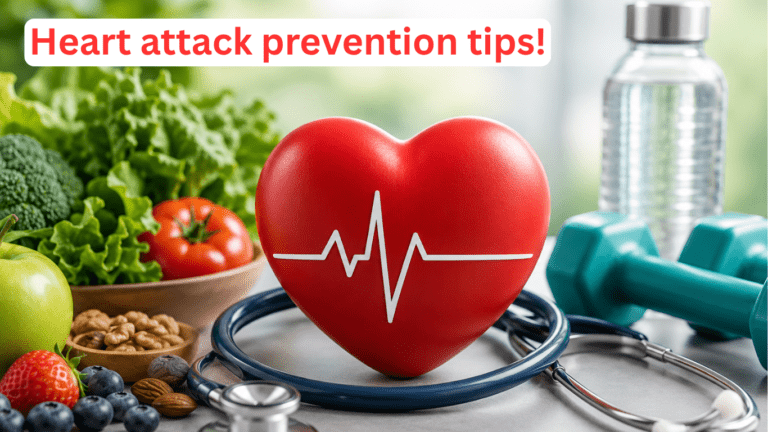
Heart attacks remain one of the leading causes of death worldwide. The encouraging news is that many heart attacks can be prevented through healthy lifestyle choices, regular medical care, and early management of risk factors. Understanding Heart attack prevention tips can help you protect your heart and enjoy a healthier, longer life.
Your heart works every second to pump oxygen-rich blood throughout your body. Just like a vehicle needs regular maintenance to run smoothly, your heart also needs proper care. Small daily habits can make a significant difference in reducing your risk of heart disease.
Whether you have a family history of heart problems or simply want to maintain good health, following these practical prevention strategies can greatly improve your cardiovascular health.
Healthy eating is one of the most powerful ways to reduce your heart attack risk.
Include:
Limit:
A balanced diet helps maintain healthy cholesterol levels and supports overall heart function.
Regular exercise strengthens your heart and improves blood circulation.
Aim for:
Even a daily 30-minute walk can significantly improve heart health.
Being overweight increases your risk of:
Losing even a small amount of excess weight can improve heart function and lower cardiovascular risk.
High blood pressure is often called the silent killer because it usually has no symptoms.
Monitor your blood pressure regularly and:
Keeping blood pressure under control reduces stress on your heart and arteries.
High LDL (“bad”) cholesterol contributes to plaque buildup inside arteries.
Improve cholesterol levels by:
Healthy cholesterol levels reduce the risk of artery blockage.
High blood sugar damages blood vessels over time.
If you have diabetes:
Good diabetes management significantly lowers heart attack risk.
Smoking damages blood vessels and reduces oxygen delivery throughout the body.
The benefits of quitting begin almost immediately:
If you smoke, seek professional support to help you quit.
Excessive alcohol intake may increase blood pressure and contribute to weight gain.
If you drink alcohol, do so in moderation and follow your healthcare provider’s recommendations.
Chronic stress affects both your mental and physical health.
Healthy stress management techniques include:
A calm mind often supports a healthier heart.
Adults should aim for 7–9 hours of quality sleep each night.
Poor sleep may increase:
Good sleep is essential for cardiovascular recovery.
Routine health checkups help detect silent risk factors before they become serious.
Important tests include:
Early diagnosis allows timely treatment and better outcomes.
Seek emergency medical attention if you experience:
Prompt treatment can save heart muscle and lives.
Healthy habits create long-term benefits.
Try to:
Consistency is more important than perfection.
People at higher risk include those who:
These individuals should work closely with their healthcare provider to manage their risk factors.
The best approach combines a healthy diet, regular exercise, blood pressure and cholesterol control, avoiding smoking, maintaining a healthy weight, and having routine medical checkups.
Many heart attack risk factors can be reduced naturally through healthy eating, regular physical activity, stress management, quality sleep, and maintaining a healthy lifestyle. However, some people may also require medical treatment based on their individual risk.
Heart-friendly foods include fruits, vegetables, whole grains, oats, nuts, seeds, olive oil, fish rich in omega-3 fatty acids, beans, and leafy green vegetables.
Healthy adults should have routine health checkups as recommended by their healthcare provider. People over 40 or those with risk factors such as diabetes, hypertension, or high cholesterol may need more frequent heart evaluations.
Common warning signs include chest pain or pressure, pain radiating to the arm or jaw, shortness of breath, cold sweats, nausea, dizziness, and unusual fatigue. Seek emergency medical care immediately if these symptoms occur.
WhatsApp us

