Shanikrupa Heart Care Centre

Can Heart Blockage Be Treated Without Surgery?

  • Home
  • Can Heart Blockage Be Treated Without Surgery?
Can Heart Blockage Be Treated Without Surgery?
Heart Blockage Be Treated Without Surgery

Heart blockage remains one of the leading causes of death worldwide. Millions of people are diagnosed every year with coronary artery disease, blocked arteries, angina, reduced heart function, and circulatory disorders. Traditionally, patients with significant arterial blockage are advised to undergo angioplasty or bypass surgery. However, many individuals seek safer, less invasive alternatives that focus on improving circulation, enhancing heart function, and supporting long-term cardiovascular health.

What is Heart Blockage?

Heart blockage occurs when fatty deposits, cholesterol, calcium, and inflammatory substances accumulate inside the coronary arteries. Over time, these deposits narrow the blood vessels and reduce blood flow to the heart muscle.

Common symptoms include:

  • Chest pain (Angina)
  • Shortness of breath
  • Fatigue during physical activity
  • Irregular heartbeat
  • Reduced exercise tolerance
  • Dizziness and weakness

If left untreated, severe blockages may increase the risk of heart attack and heart failure.

What Is EECP Therapy?

Enhanced External Counterpulsation (EECP)

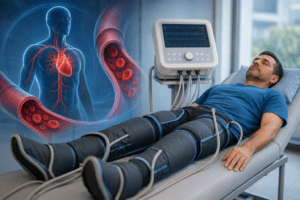
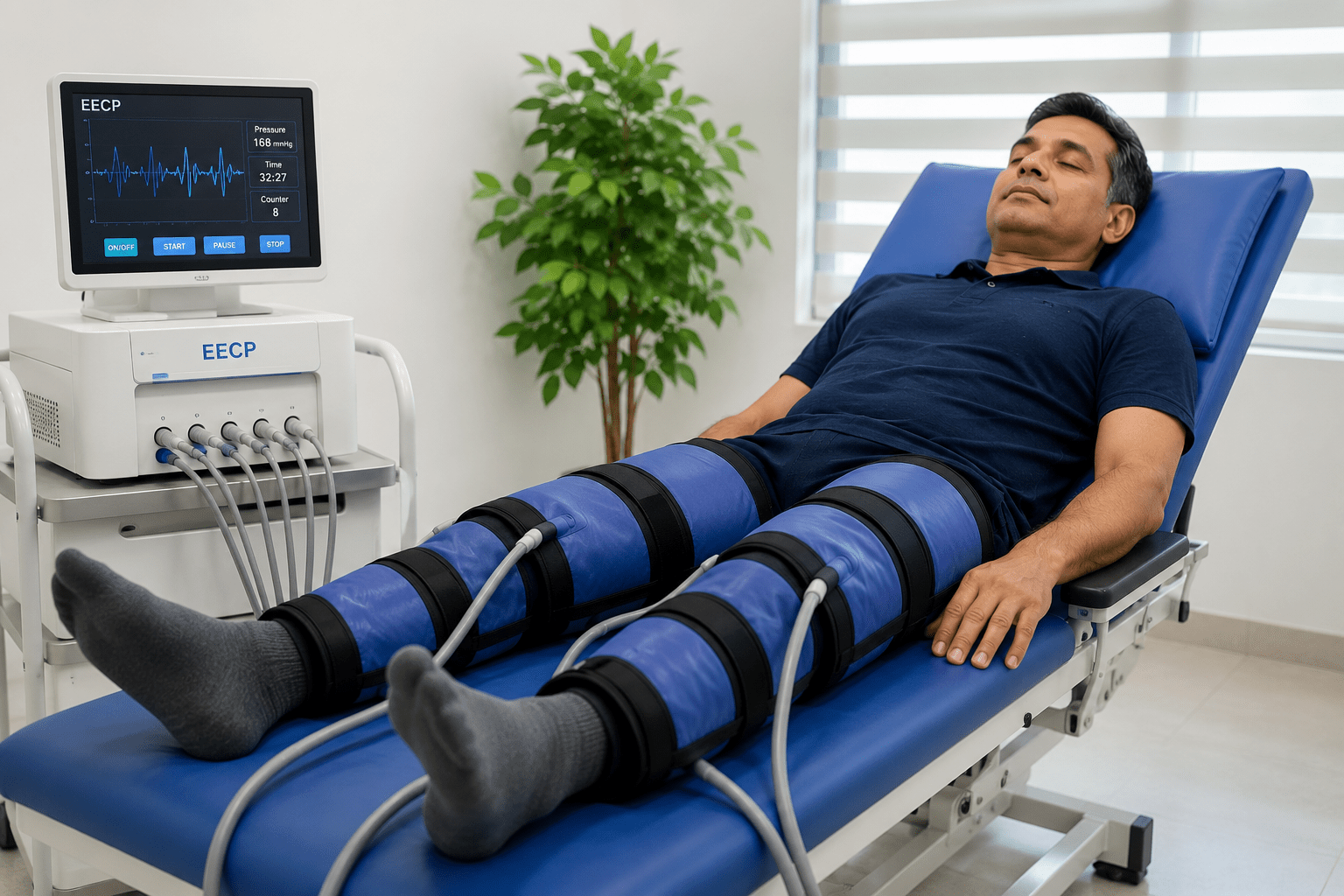
EECP is a non-invasive outpatient treatment designed to improve blood circulation to the heart.

During treatment:

  • Inflatable cuffs are wrapped around the legs.
  • The cuffs inflate and deflate in synchronization with the heartbeat.
  • Blood flow toward the heart is increased during relaxation phases of the cardiac cycle.
  • Natural collateral circulation may develop over time.

The treatment is painless, does not require anaesthesia, and allows patients to return to normal activities immediately after each session.

Benefits of EECP Therapy

  •       Improved Blood Supply to the Heart

EECP encourages the development of small collateral blood vessels that may help improve circulation around narrowed arteries.

  •       Reduced Angina Symptoms

Many patients experience reduced chest discomfort and improved exercise capacity.

  •          Enhanced Physical Stamina

Improved circulation may support greater energy levels and better endurance.

  •        Non-Surgical and Non-Invasive

No cuts, stitches, hospitalization, or lengthy recovery periods are required.

·   Improved Quality of Life

Patients often report better day-to-day functioning and reduced limitations caused by cardiovascular symptoms.

EECP vs Bypass Surgery

Feature

EECP Therapy

Bypass Surgery

Procedure Type

Non-invasive

Surgical

Hospital Stay

Not Required

Required

Anaesthesia

No

Yes

Recovery Time

Minimal

Several Weeks

Risk of Surgical Complications

Very Low

Higher

Outpatient Treatment

Yes

No

Daily Activity Resumption

Immediate

Delayed

EECP vs Angioplasty

Feature

EECP Therapy

Angioplasty

Invasive Procedure

No

Yes

Stent Placement

No

Yes

Hospitalization

Usually No

Usually Yes

Recovery Time

Minimal

Several Days

Repeat Procedure Risk

Lower

Possible

Who May Benefit from Non-Surgical Heart Treatments?

Patients who may be evaluated for non-invasive therapies include:

  • Stable coronary artery disease patients
  • Chronic angina sufferers
  • Patients unsuitable for surgery
  • Elderly individuals seeking conservative treatment
  • Patients with diabetes and circulatory concerns
  • Individuals interested in preventive cardiovascular care

Medical evaluation is essential to determine suitability.

Lifestyle Changes That Support Heart Health

Successful cardiovascular care requires:

Heart-Healthy Diet

  • More vegetables and fruits
  • Whole grains
  • Healthy fats
  • Reduced processed foods

Regular Physical Activity

  • Walking
  • Cycling
  • Swimming
  • Physician-approved exercise programs

Stress Reduction

  • Meditation
  • Yoga
  • Adequate sleep
  • Relaxation techniques

Smoking Cessation

Stopping tobacco use significantly improves cardiovascular outcomes.


Frequently Asked Questions

  • Is EECP therapy painful?

No. Most patients find the treatment comfortable and relaxing.

  • Can EECP remove heart blockage?

EECP is intended to improve blood circulation and support collateral vessel development rather than physically removing plaque.

  • How many EECP sessions are typically required?

Treatment plans vary depending on individual cardiovascular conditions.

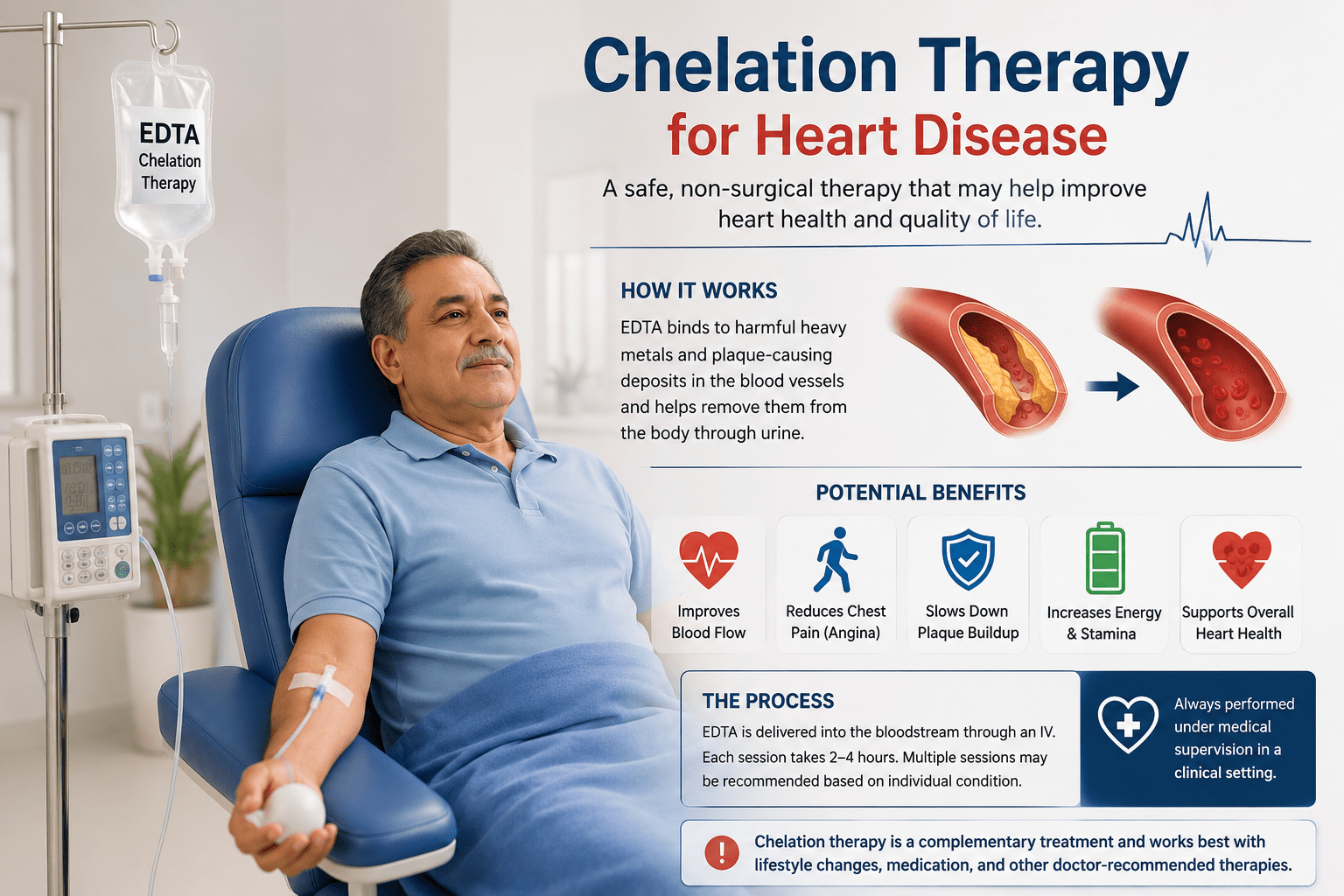
Chelation therapy should always be administered under qualified medical supervision.

  • Can non-surgical treatments replace surgery?

Suitability depends on the patient’s diagnosis, severity of disease, and overall health condition. Medical evaluation is essential.